 Articles
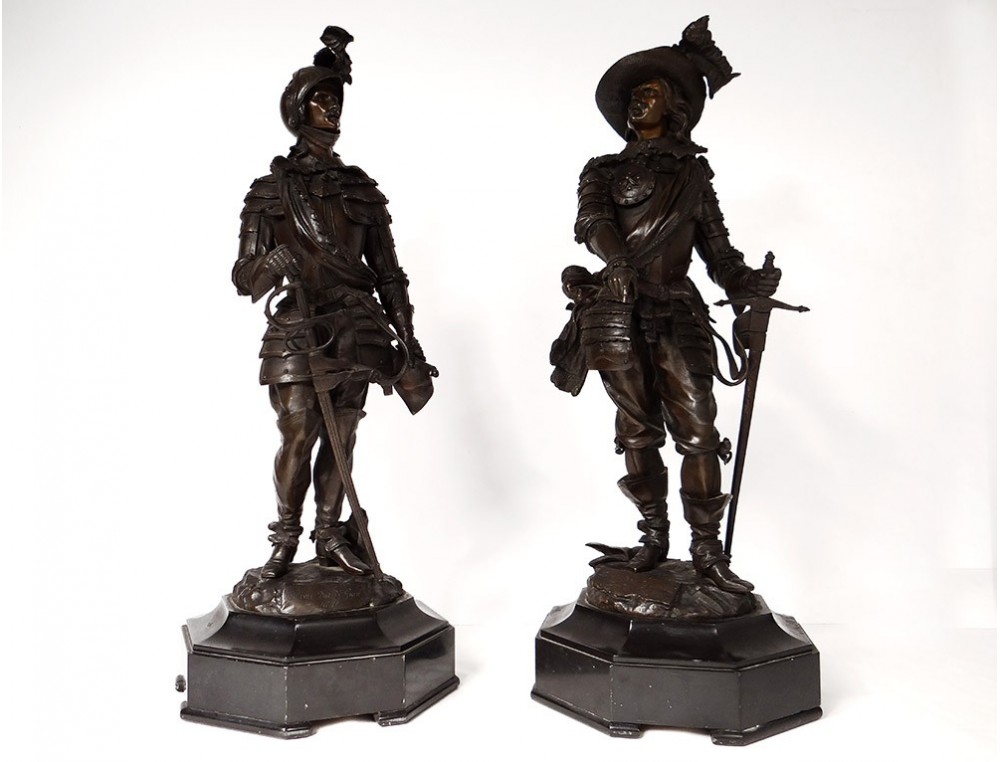
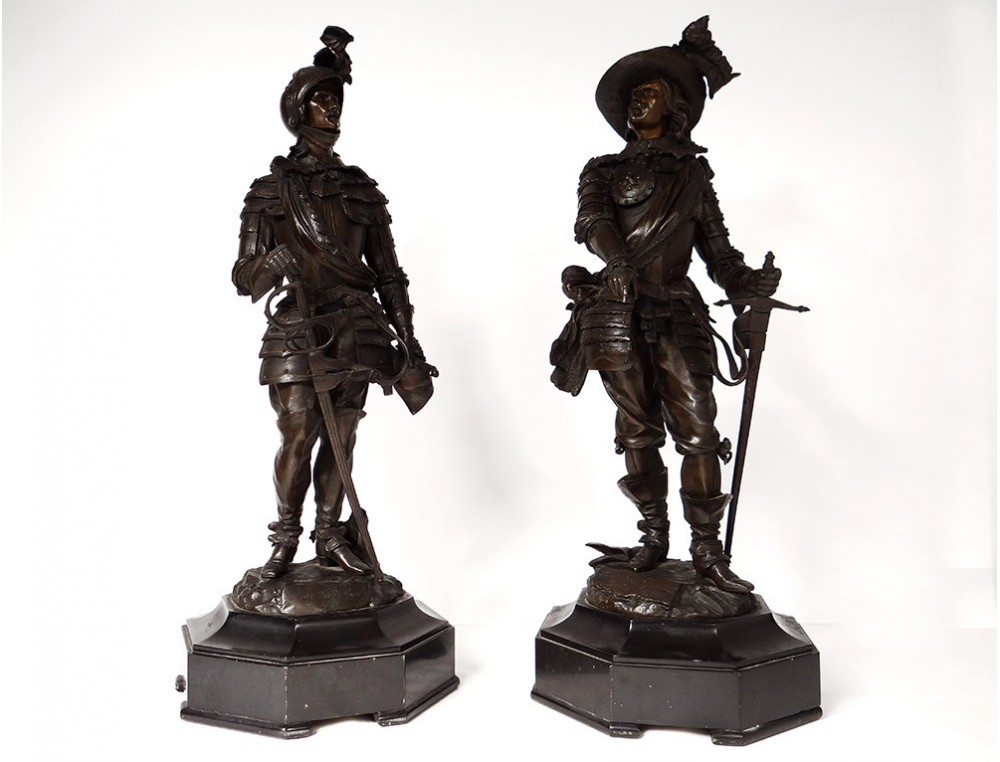
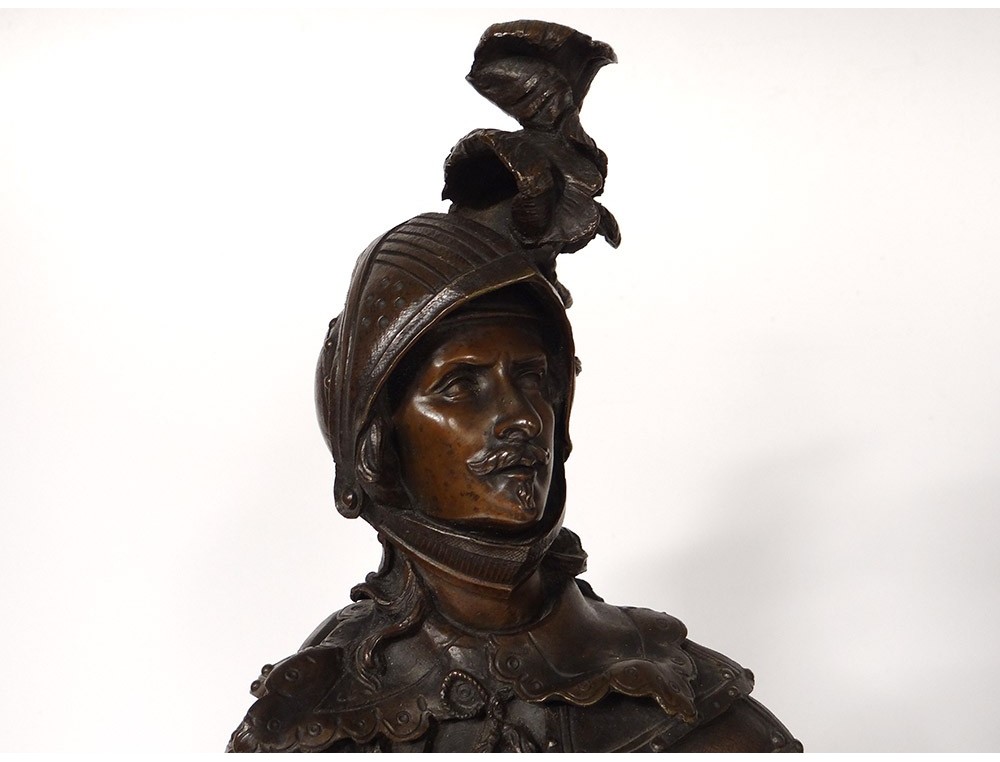
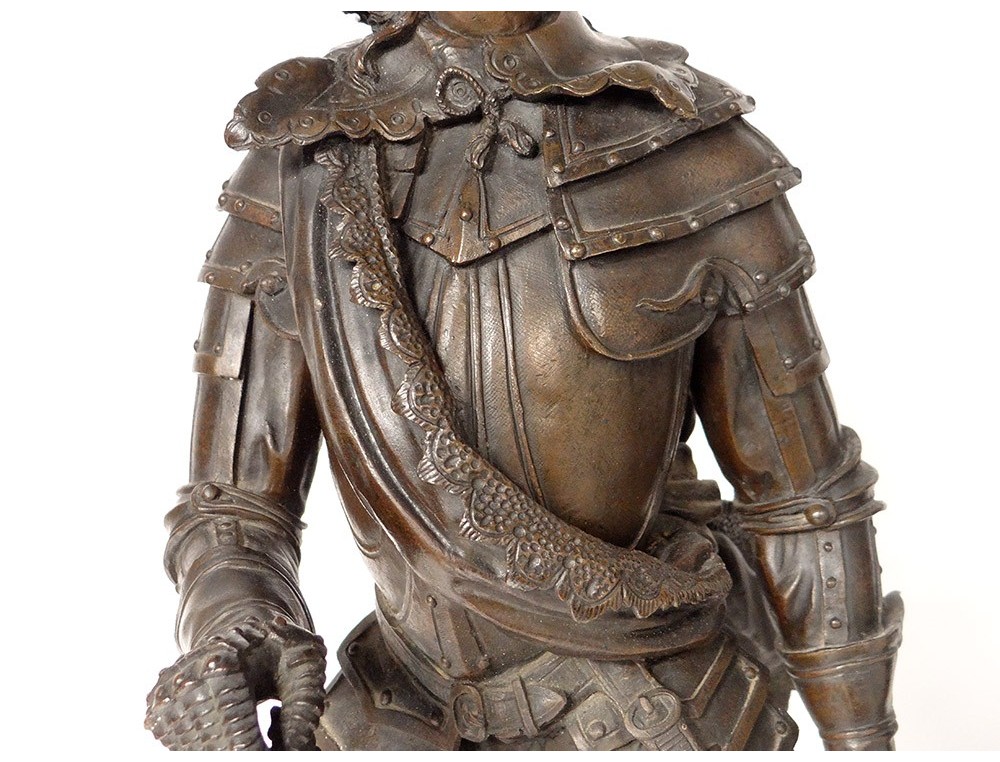
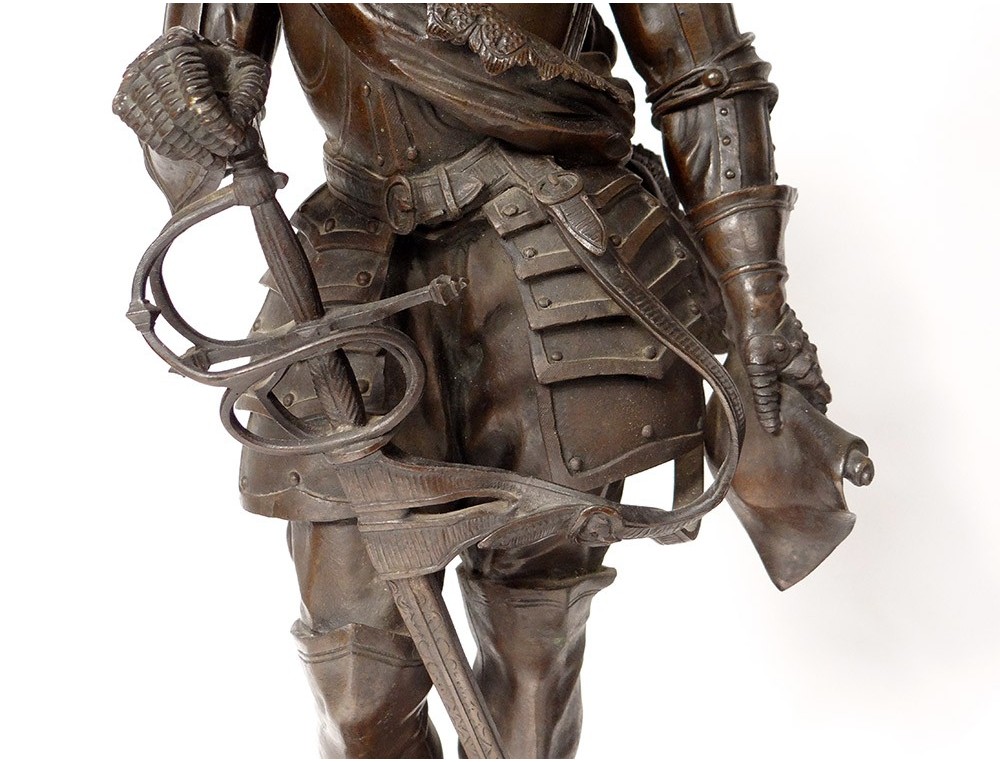
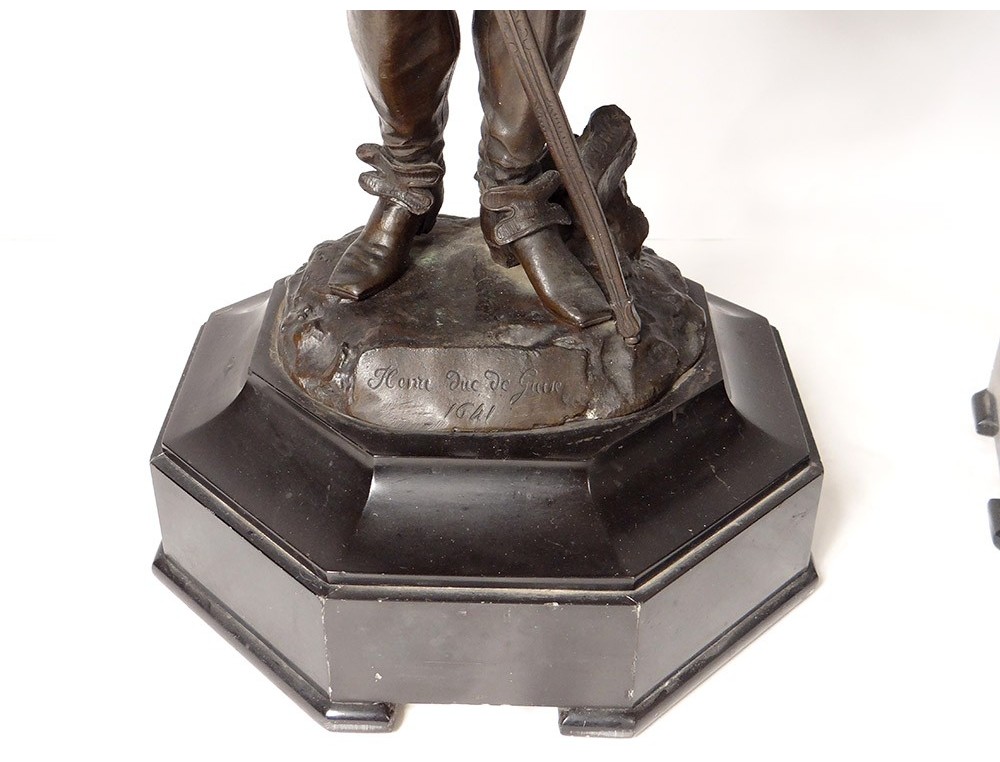
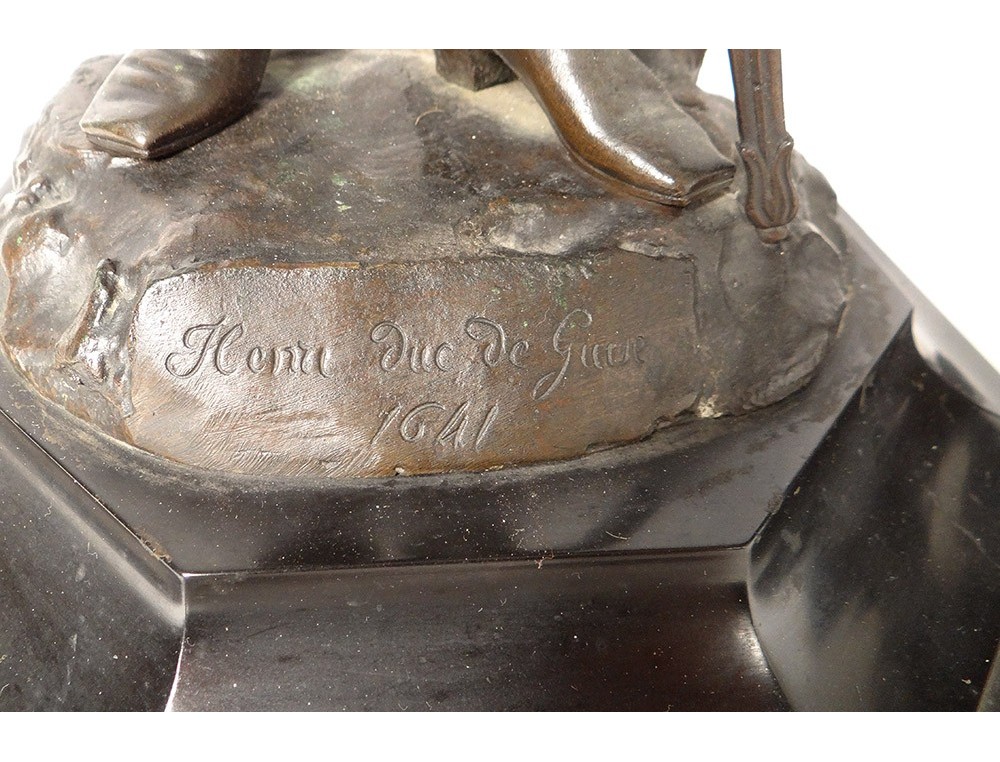
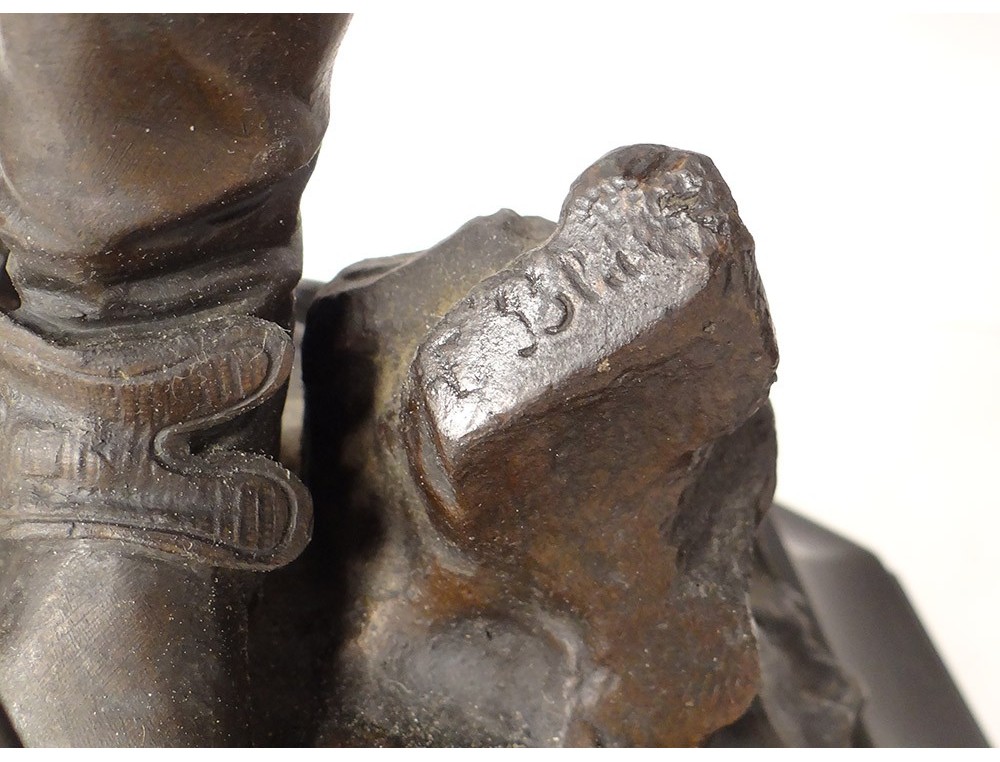
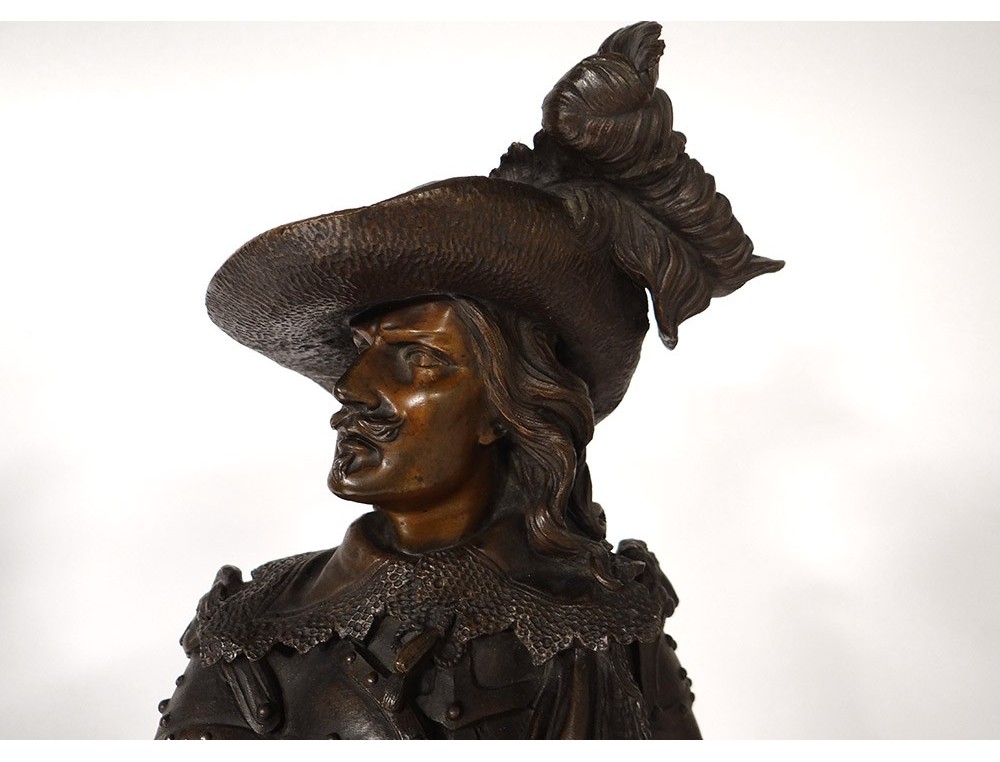
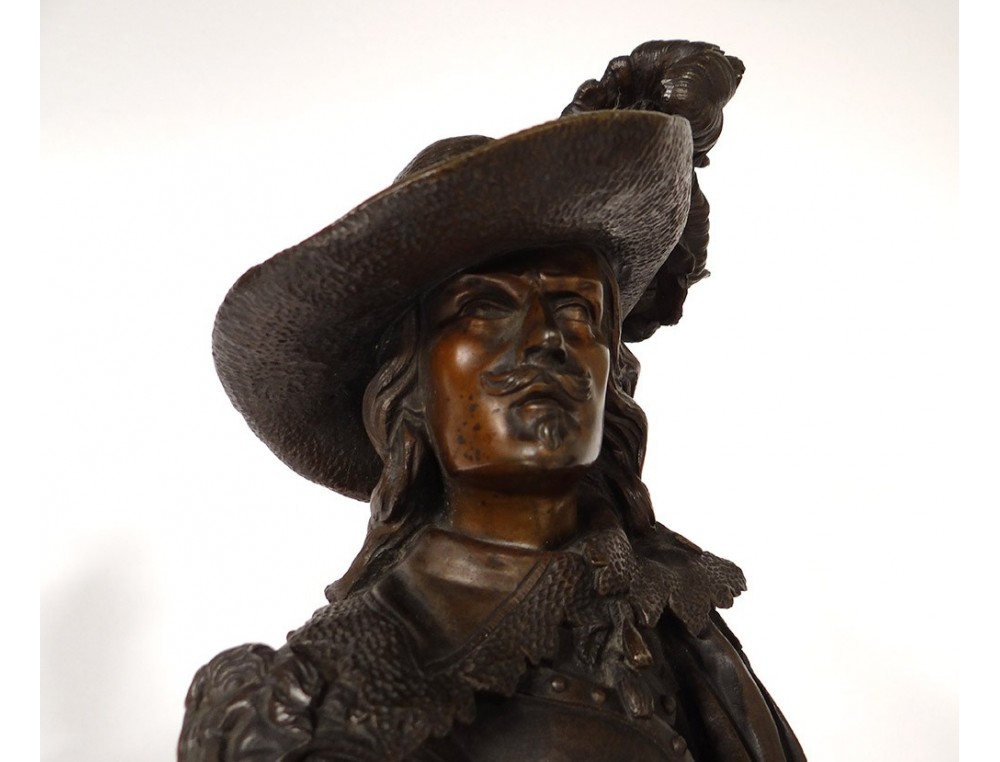
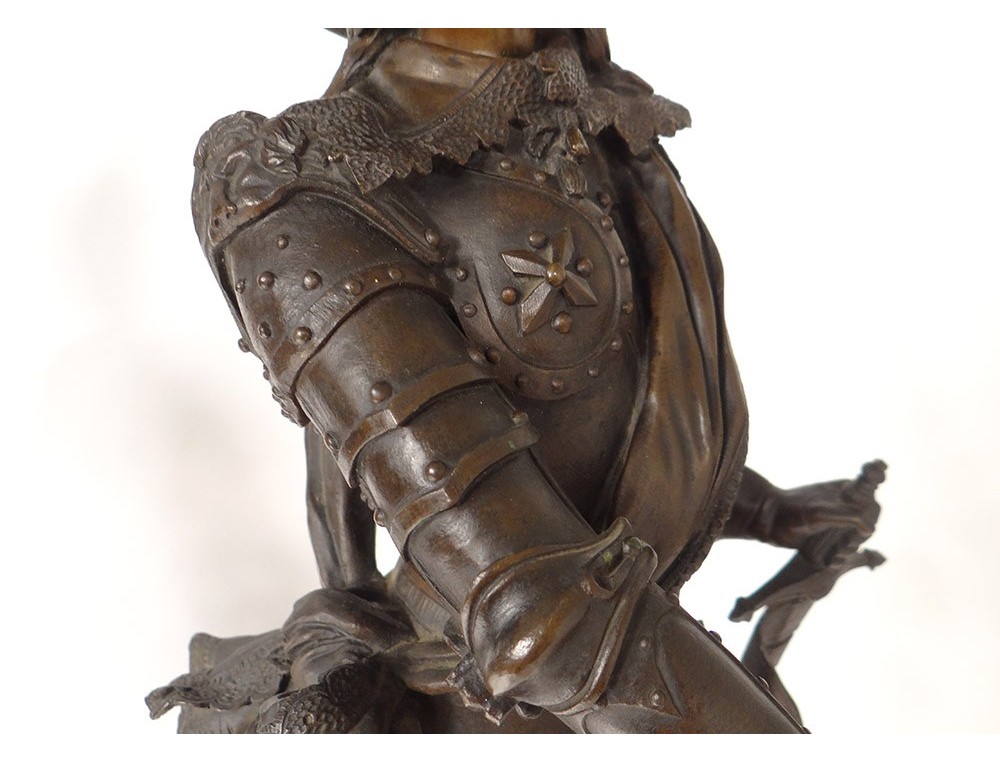
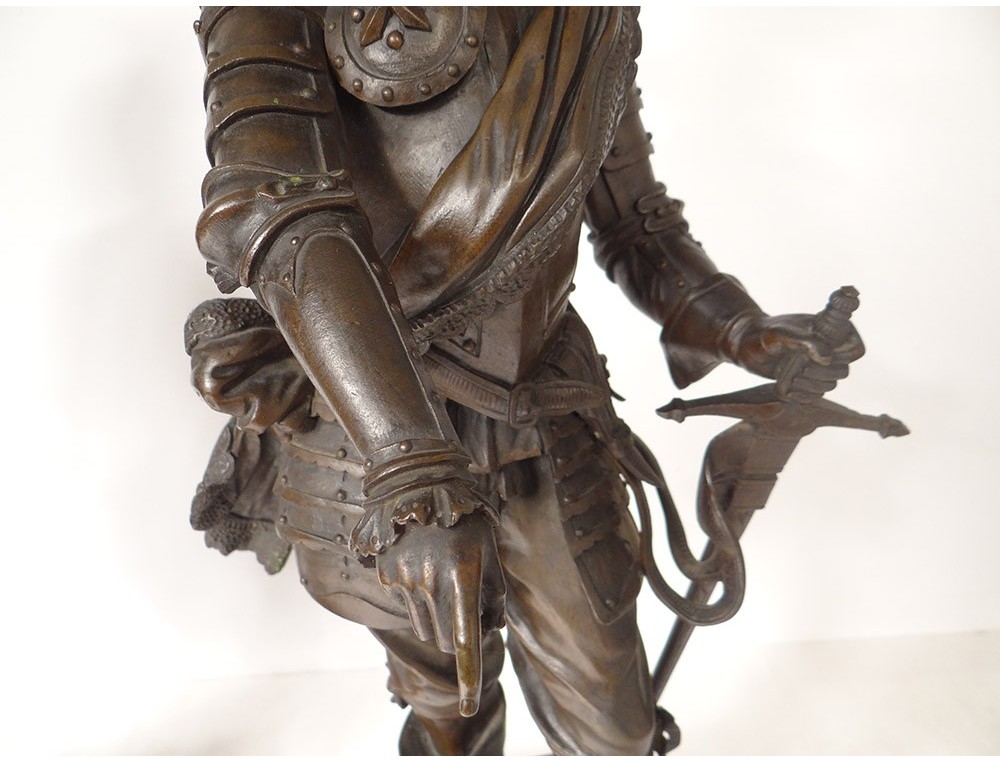
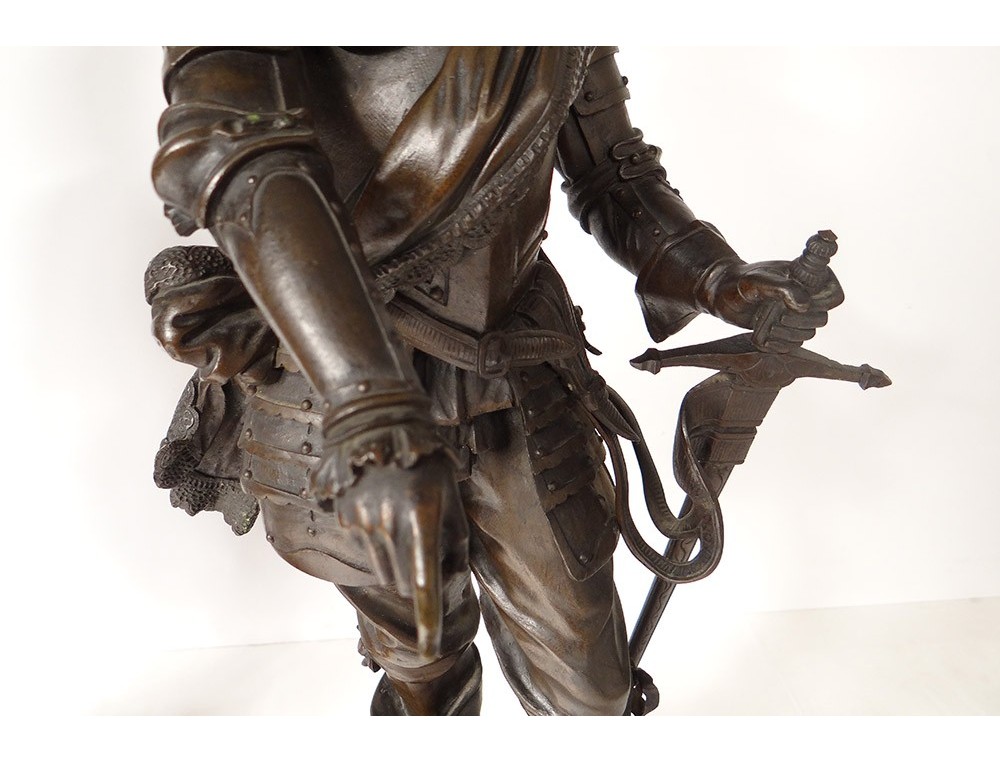
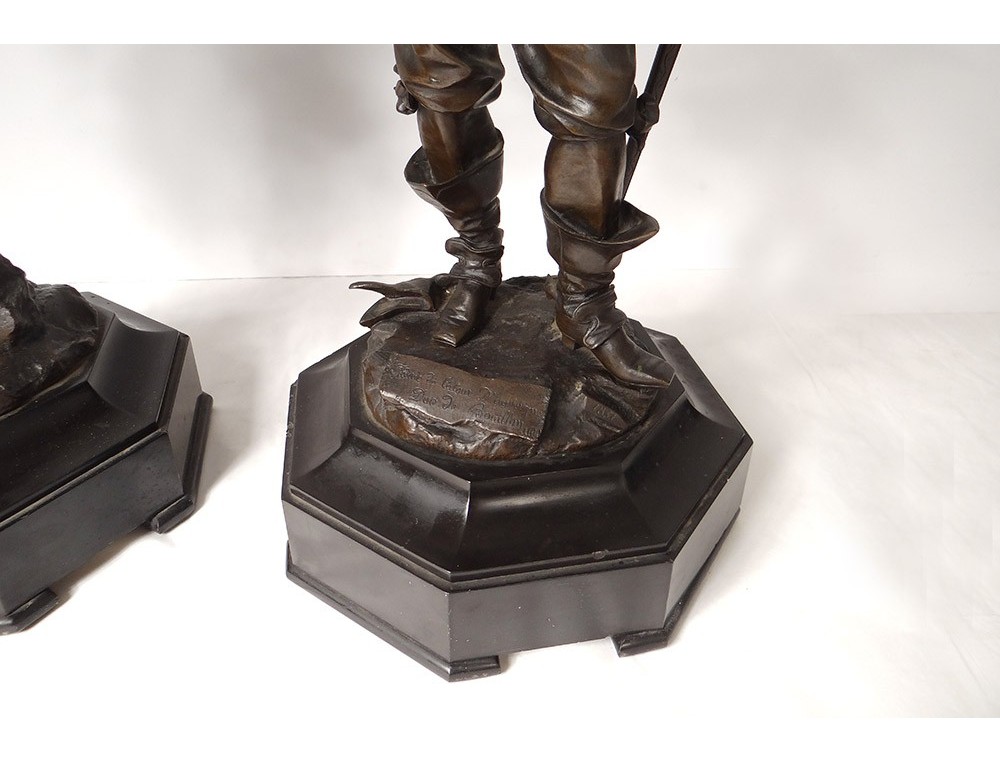
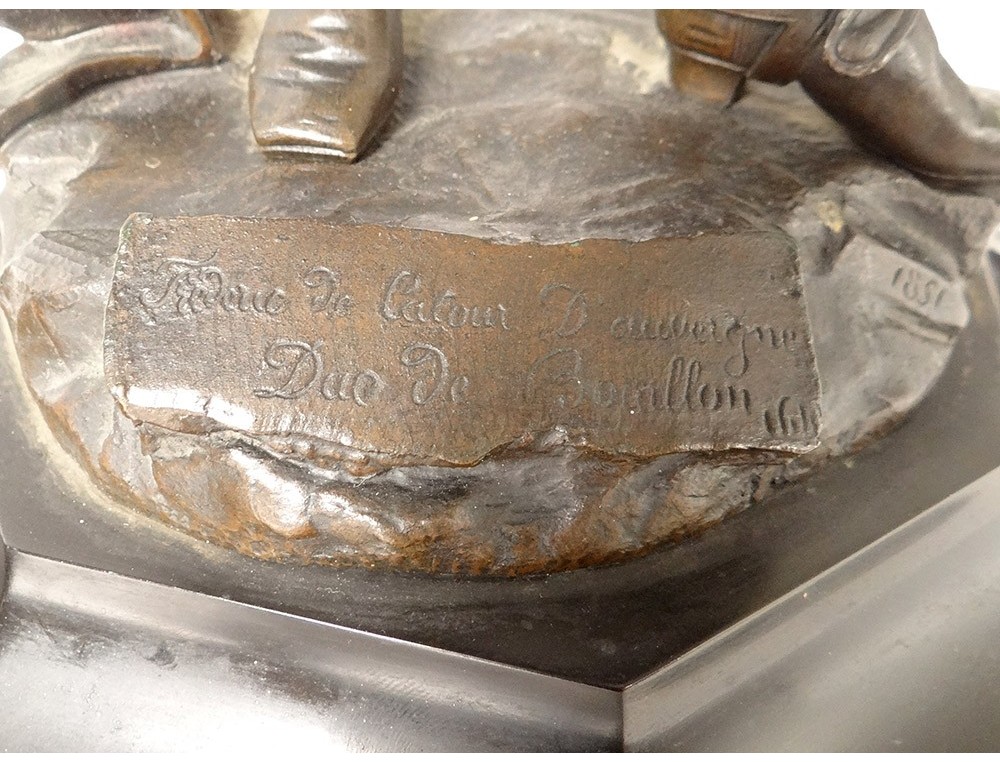
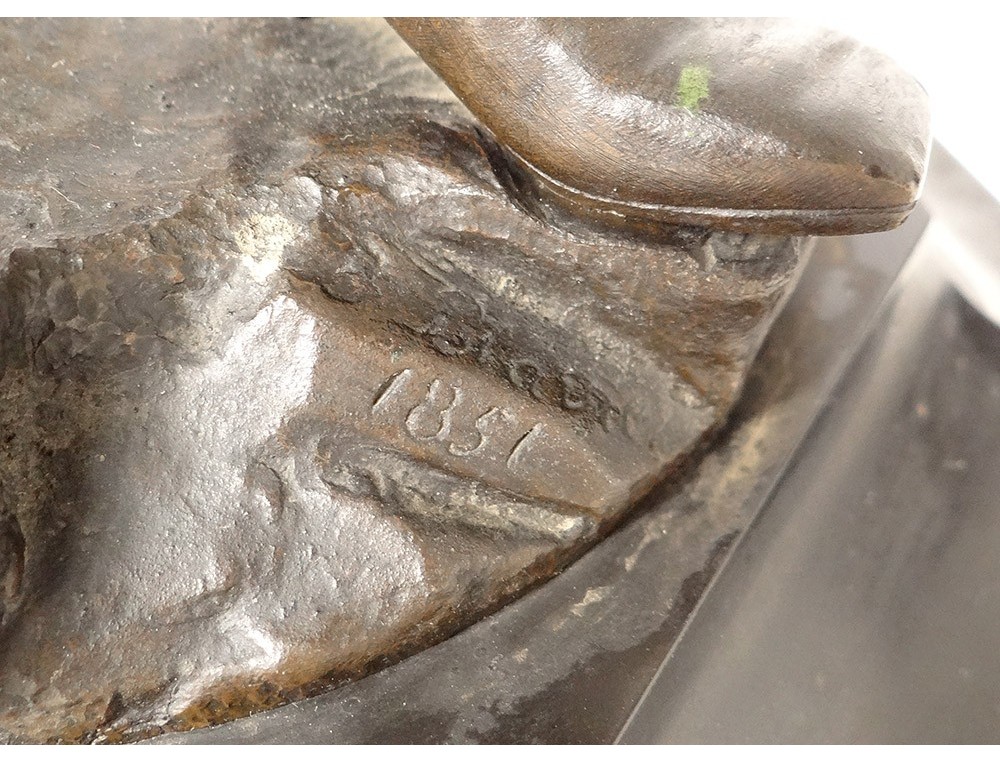
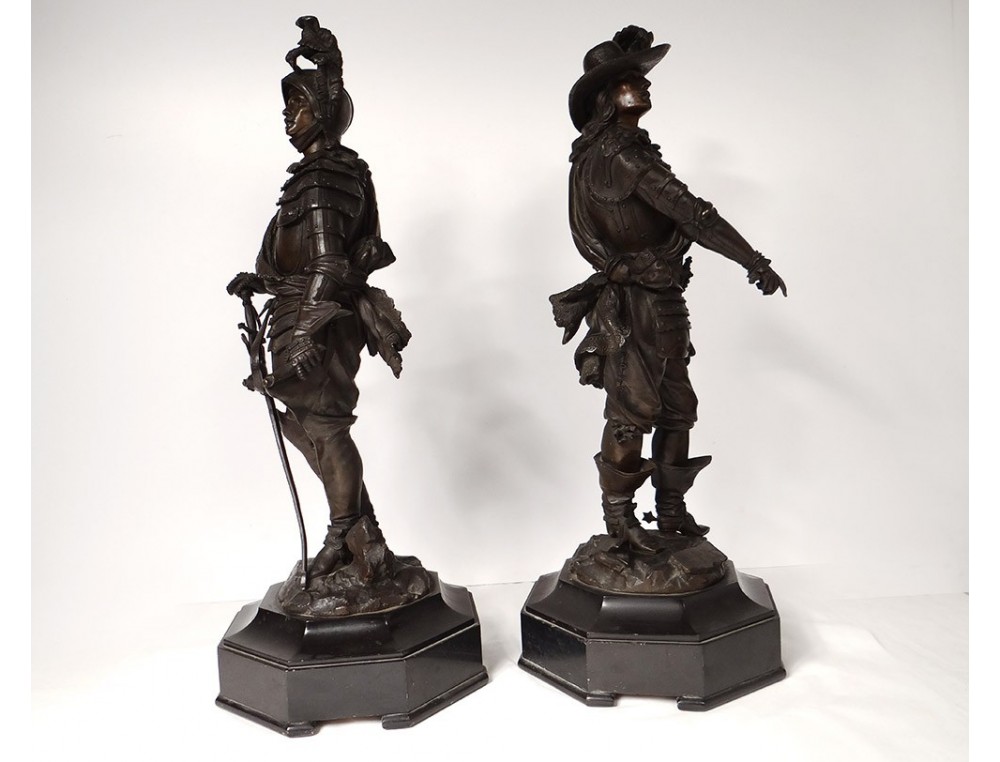
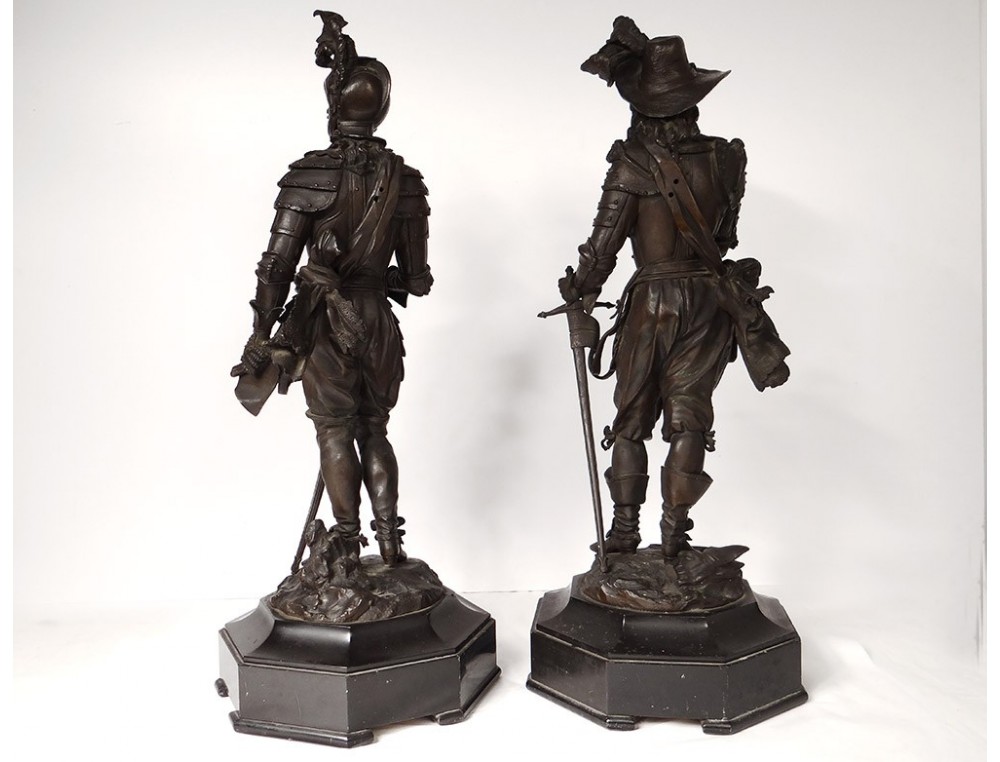
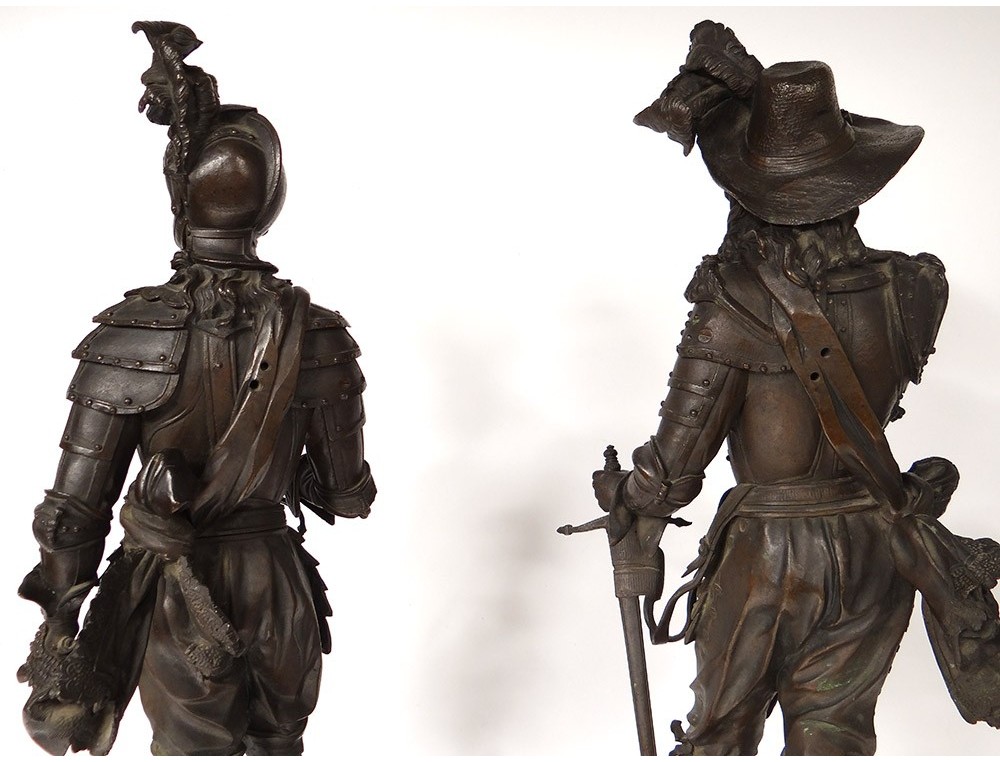
Pair of bronze sculptures signed E. Blavier * and representing Henry II Duc de Guise and the Duke of Bouillon Frederick of the Tower of Auvergne **, both in arms, during the Battle of Marfée *** in 1641 ( against the troops of Richelieu), black marble pedestals, dated 1851 of mid-nineteenth century.
These sculptures are in good condition. Signed and dated see photos.
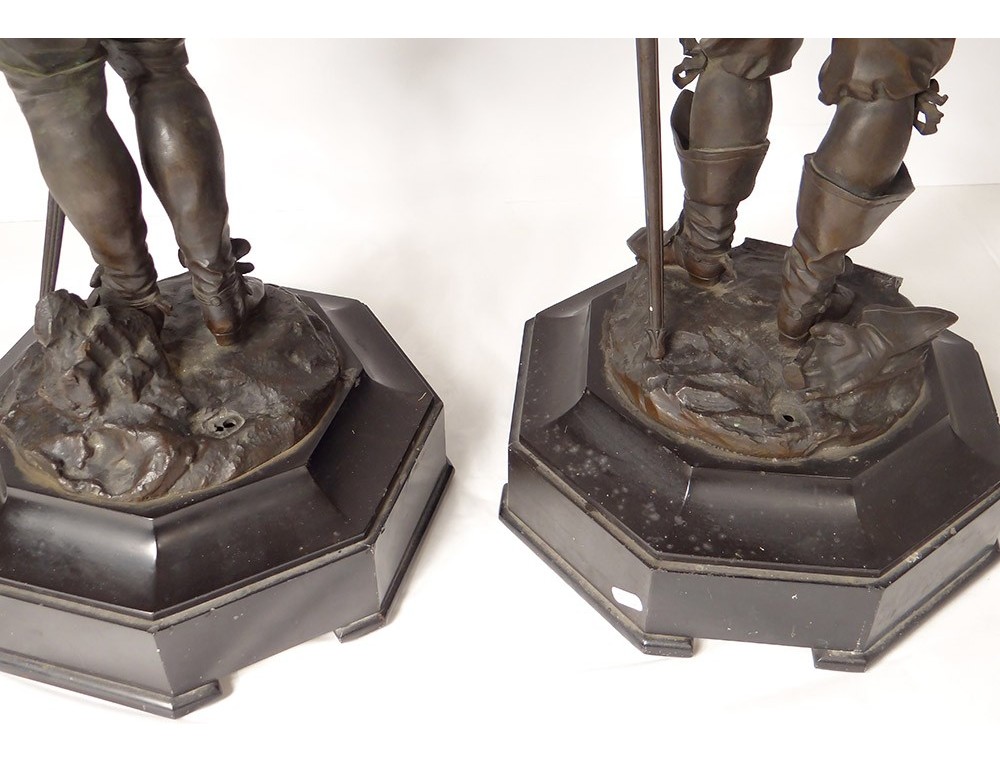
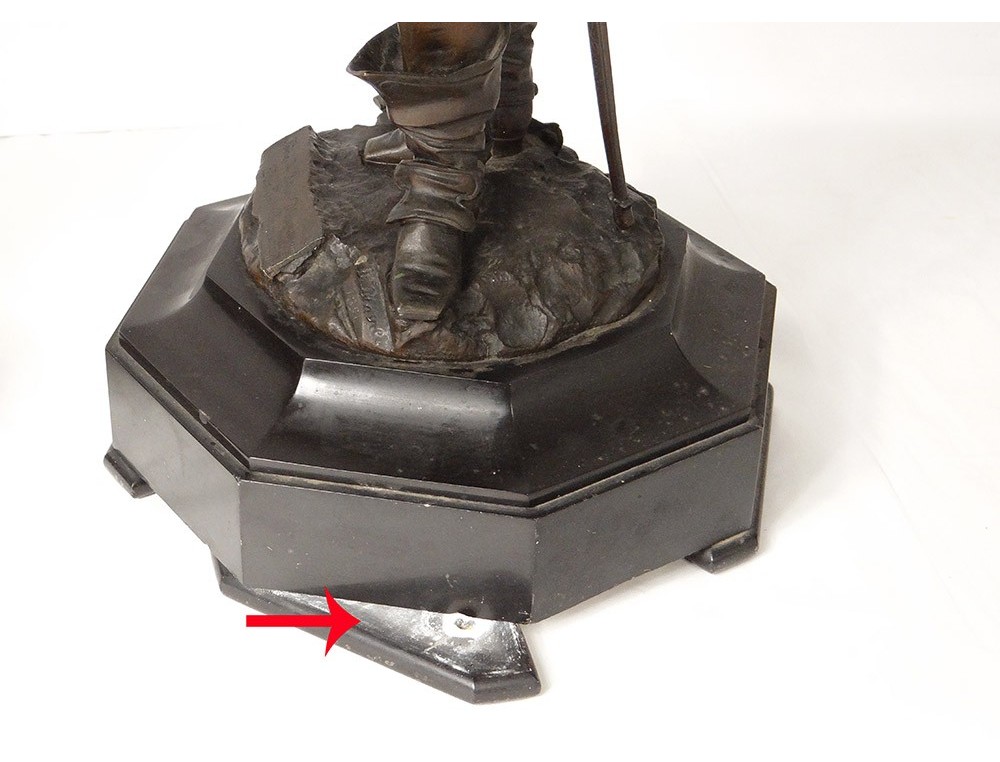
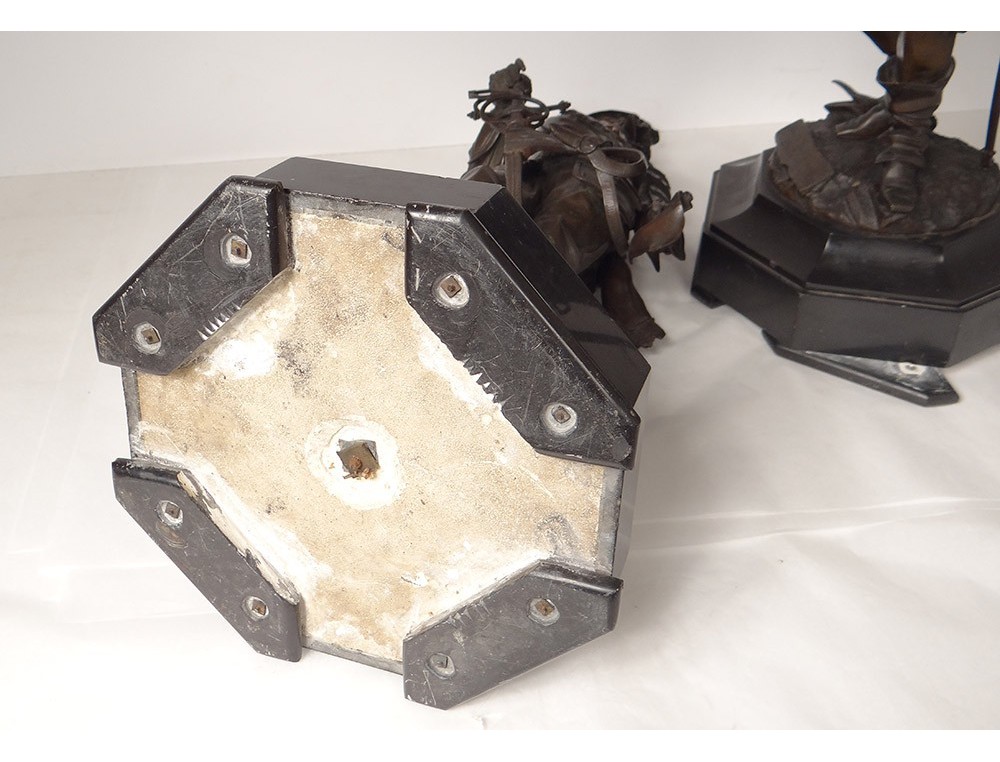
A note: pedestals and back drilled (probably for a decorative element), a marble foot moves (see last photo), some stains and wear of time, see photos.
sculptor (Ec fr). Studied in Paris with A. Toussaint and Calmels. The Museum of Douai keeps 9 works of him. (See Benefit)
Well-known artist on Artprice.
Prince of Sedan, is a noble and a French soldier. His brother was the famous Turenne (1611-1675), Marshal of France. In 1621, he went to the Netherlands to learn the art of war under the orders of his uncles, Maurice de Nassau and Frédéric-Henri of Orange-Nassau. On October 12, 1635, he took service in the French army as Field Marshal, commanding the cavalry of the Army of Flanders. He then took a large part in the civil wars, and delivered, with the Count of Soissons, the battle of Marfee against the troops of Richelieu (1641), he rallied to the king and commanded during the fighting in Italy. He is compromised in the conspiracy of Cinq-Mars (1642). He is arrested and imprisoned in Pierre-Encise, near Lyon. His wife threatens to deliver the principality and especially the fortress of Sedan to the Spaniards; the prince thus obtained more favorable conditions than expected after his double conspiracy against Richelieu and Louis XIII. When he was released in 1644, he went to Rome where the pope entrusted him with the command of his army. He was for a long time the soul of the Fronde.
is a French aristocrat, Archbishop of Rheims from 1629 to 1640, then Duke of Guise from 1640 to 1664, Prince de Joinville from 1640 to 1641 and Count of Eu from 1640 to 1657. He is the second son of Charles I, Duke of Guise, and Henriette Catherine de Joyeuse. He conspired with Louis de Bourbon, Count of Soissons, against Richelieu and fought him during the battle of Marfee. For that he was condemned to death, but fled to Flanders. His property was then confiscated. Forgiven, he returned to France in 1643 and recovered the domain of Guise, while his mother received Joinville. He participated in the revolt of Masaniello in 1647. He then governs the "Republic of Naples", placed under French protectorate, but the Spaniards, considering themselves legitimate suzerains, counter-attack, destroy the republic and make prisoner Henry, who remains detained in Spain from 1648 to 1652. He tried a second campaign against Naples in 1654, but failed, partly because of an English fleet led by Robert Blake and present on the scene. He then moved to Paris and became Grand Chamberlain to Louis XIV.
took place on July 6, 1641, between the troops of Gaspard de Coligny, marshal of Chatillon, and those of Frederic-Maurice de La Tour d'Auvergne, prince of Sedan. The principality of Sedan is in 1640 an independent Protestant principality whose prince, Frederic-Maurice of the Tower of Auvergne, welcomes the Protestants and factieux fleeing France and Richelieu. He also took part in the conspiracy of the Princes of Peace, with the Count of Soissons and Henry II of Guise, aimed at restoring the privileges of the feudal lords. Louis XIII sends an army to put an end to his actions, the prince of Sedan asks and gets help from the emperor, his personal friend. Despite the defeat, the royal army began the siege of Sedan, and Frederick Maurice of La Tour d'Auvergne negotiated his submission in a treaty (August 4) with the King of France, which gave him the command of the French Army. 'Italy. After a new conspiracy in 1642, the prince of Sedan this time had to negotiate his head against the principality, which was annexed to the kingdom on September 29, 1642.
ATTENTION: FOR A QUOTE OF DELIVERY CONTACT US WITH CITY AND COUNTRY OF DESTINATION.
BE CAREFUL: US PLEASE CONTACT FOR THE DELIVERY PRICE.