 Articles
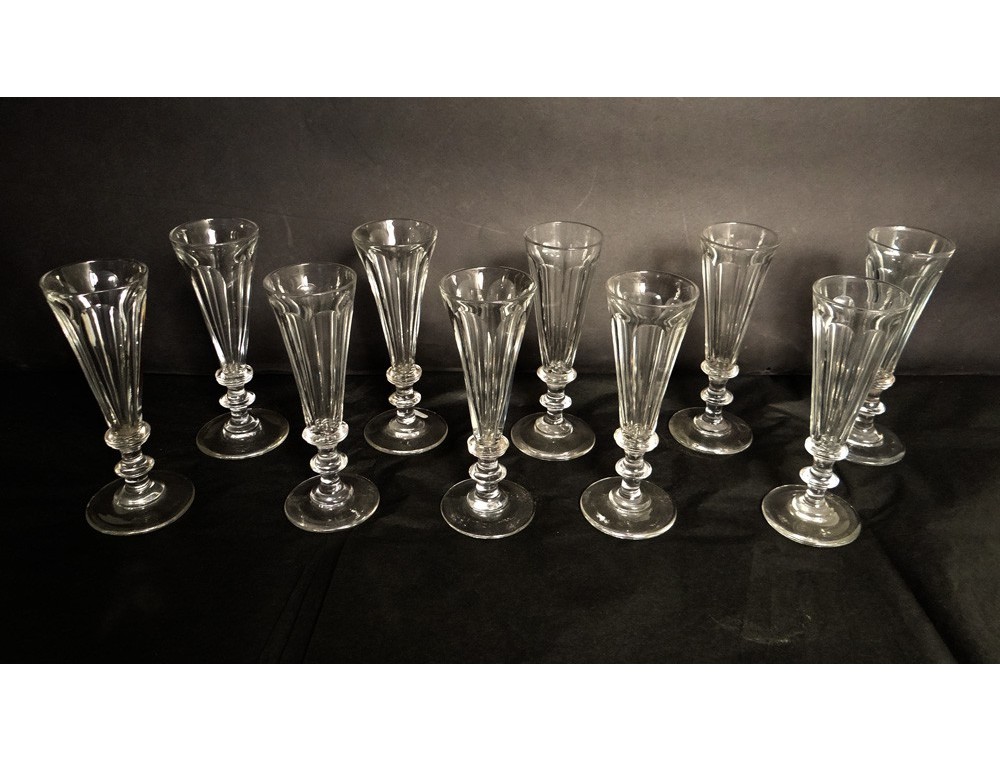
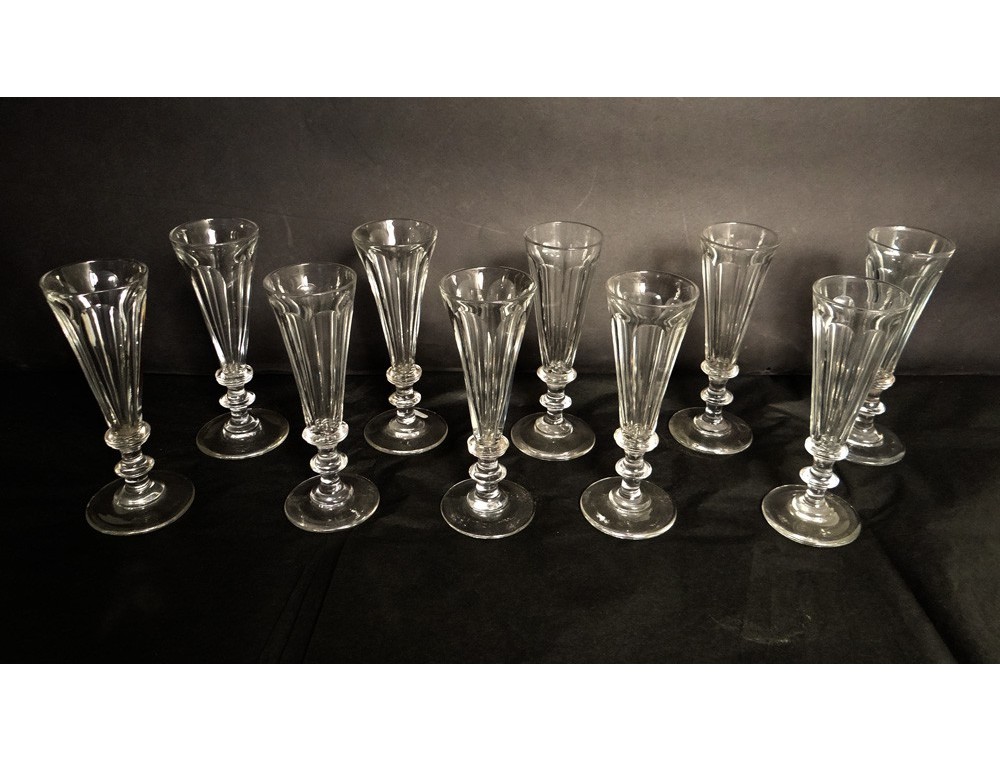
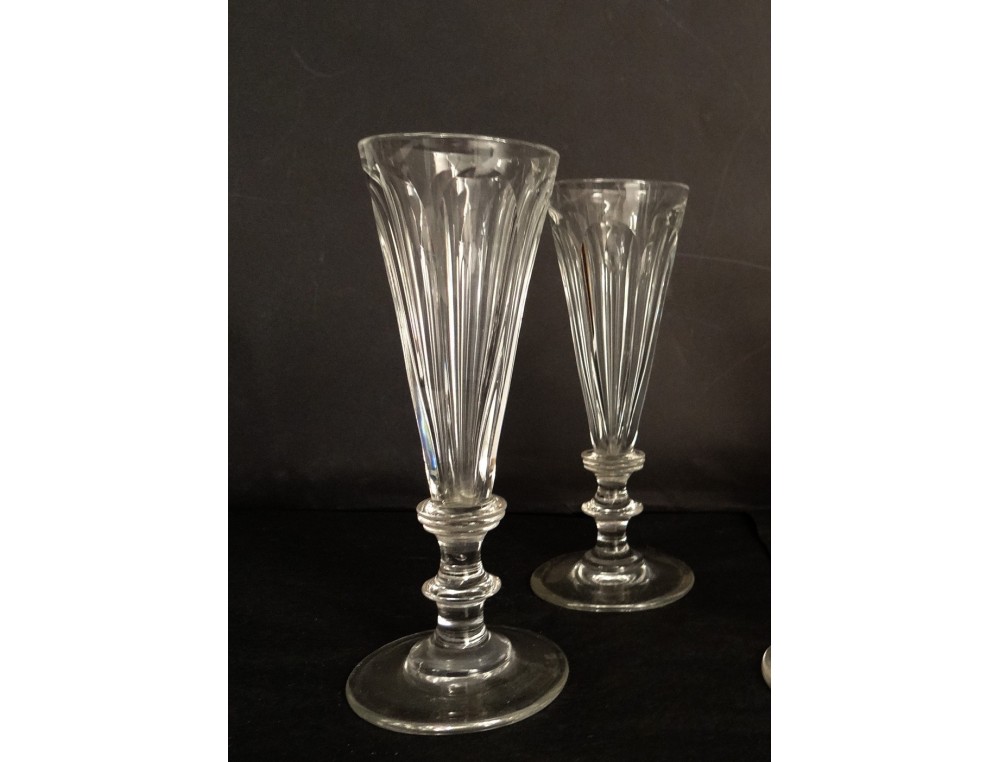
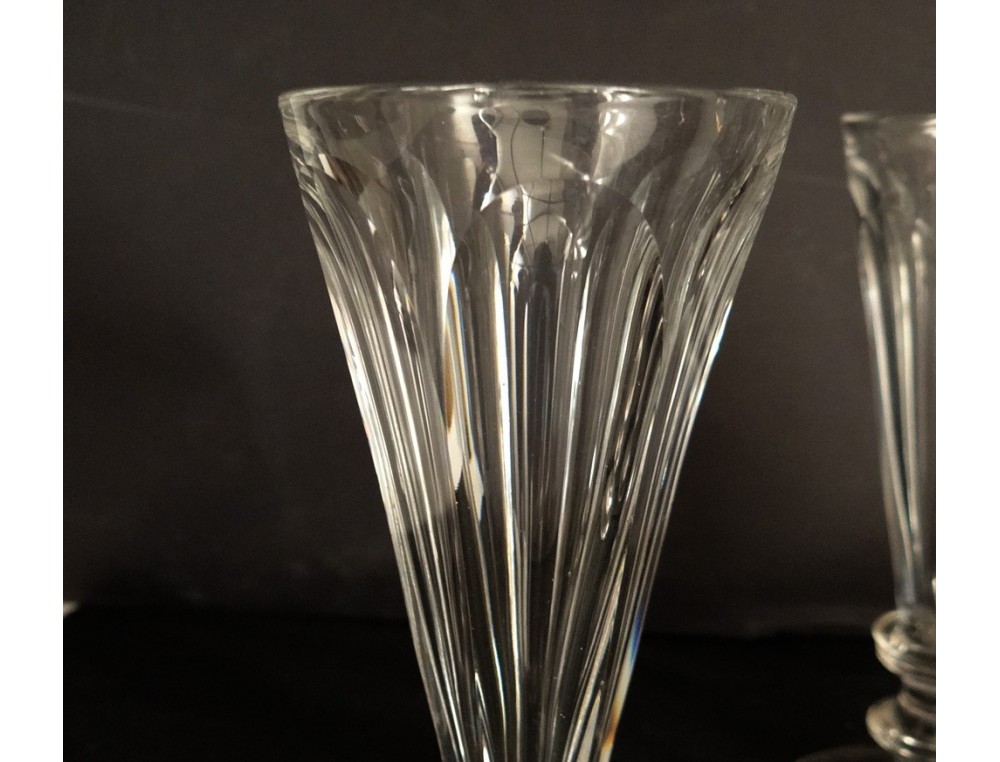
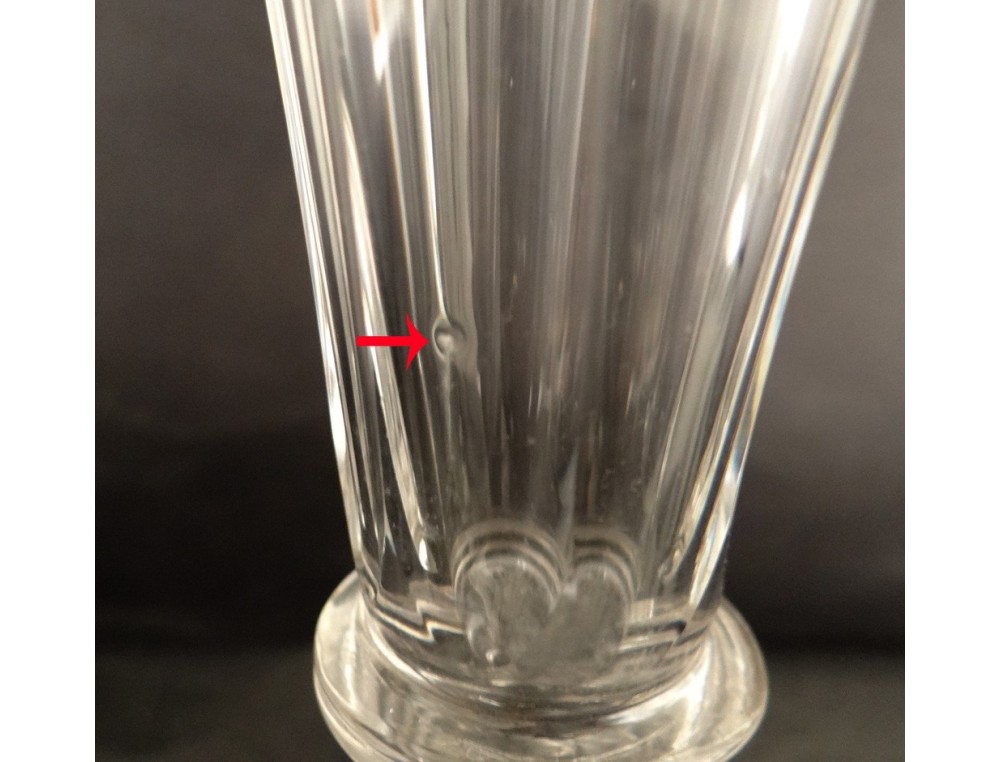
Set of 6 crystal champagne glasses, most likely by Baccarat*, from the 19th century.
This set of glasses is in good condition.
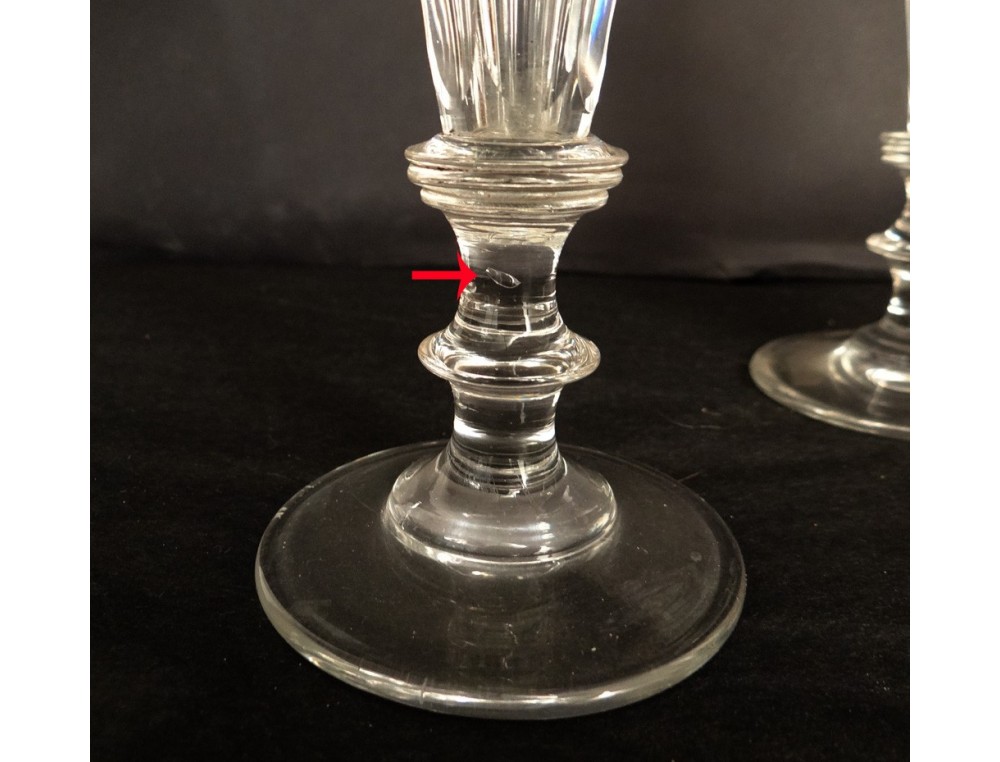
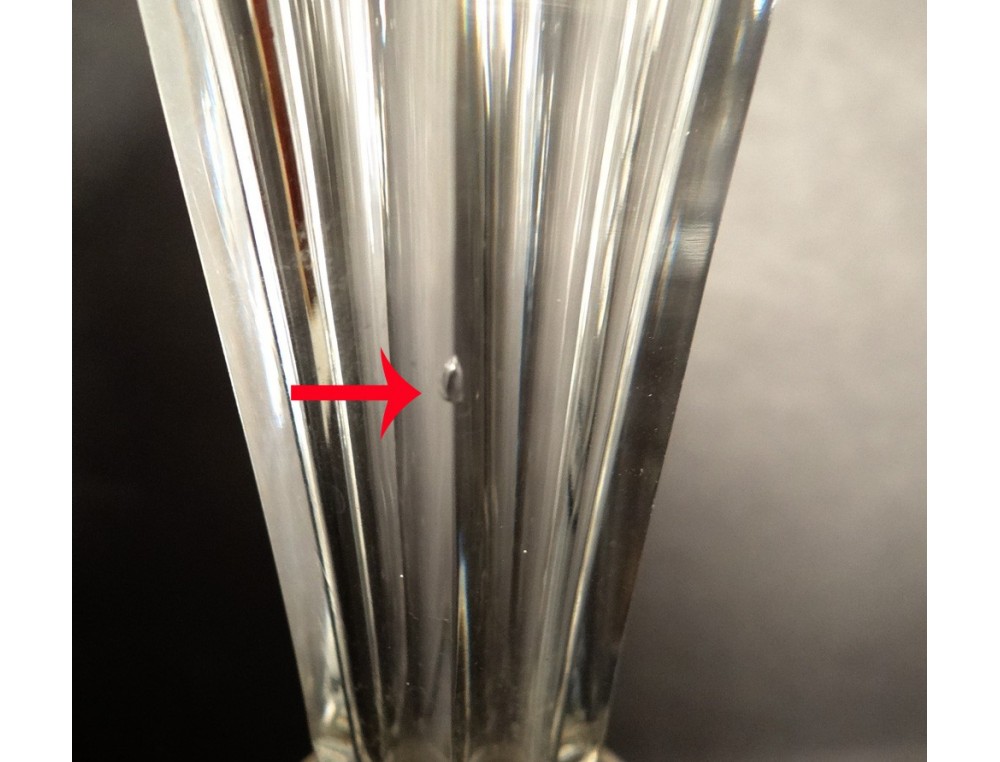
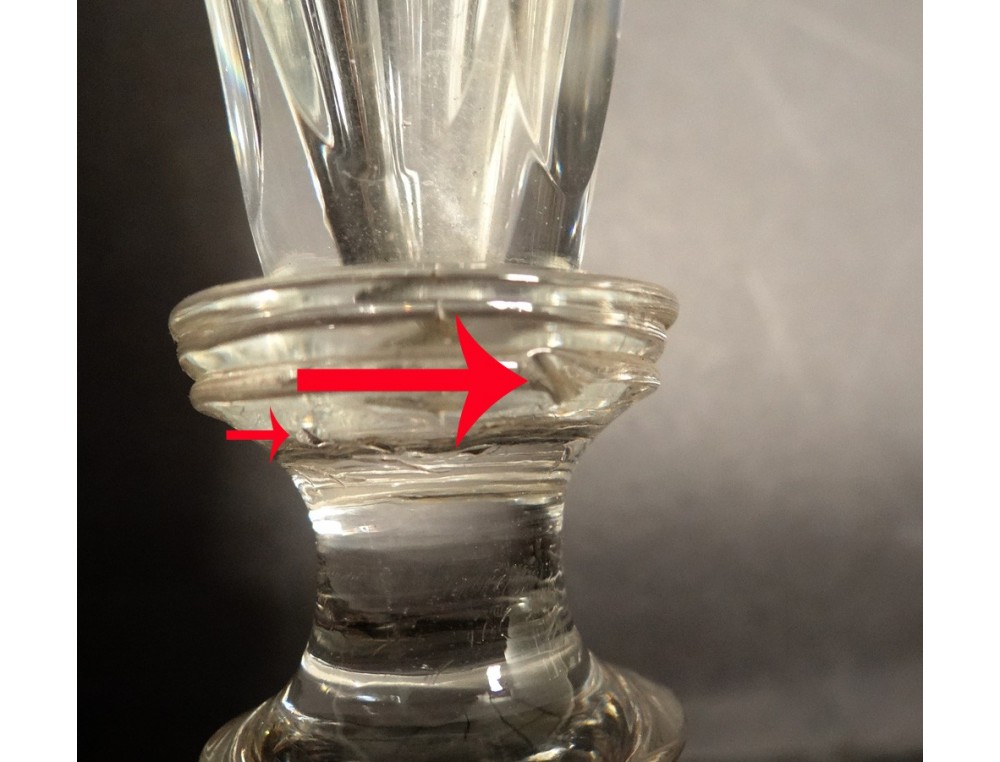
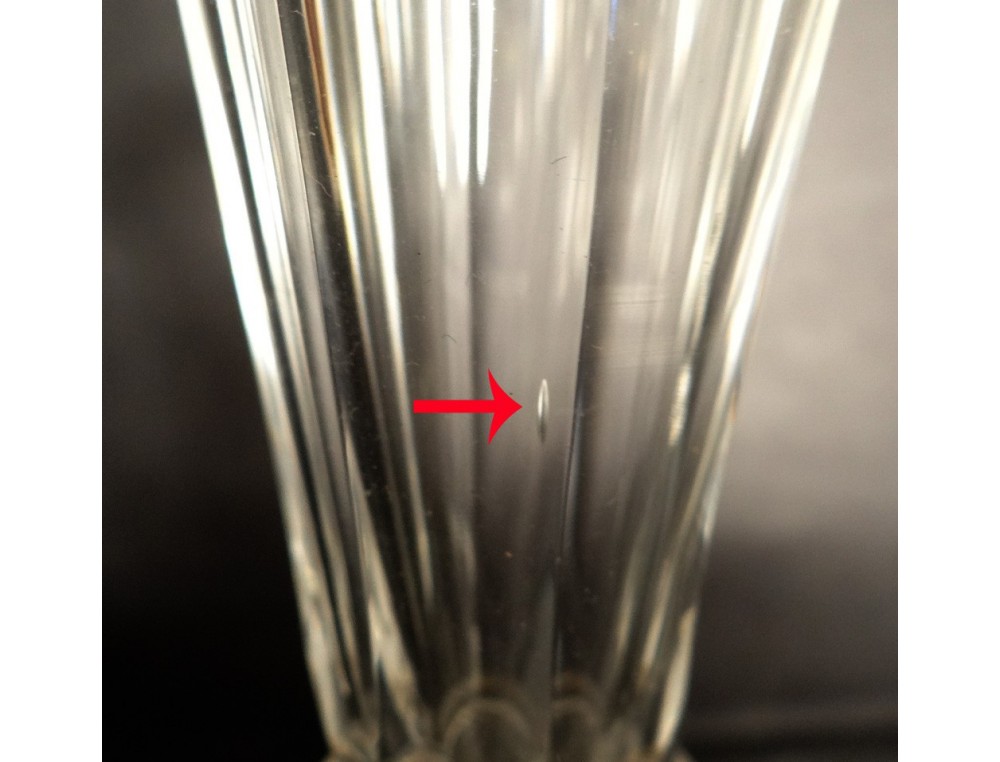
Please note: Signs of wear and tear, micro-scratches, small bubbles, small chips, see red arrows (see photos).
Baccarat is a crystal factory located in the municipality of Baccarat in the Meurthe-et-Moselle department of Lorraine, France. In 1764, King Louis XV granted permission to Louis-Joseph de Montmorency-Laval (1761-1802), Bishop of Metz, to establish a glassworks in the town of Baccarat. The vast grounds of the Compagnie des Cristalleries de Baccarat were almost indistinguishable from the small town of Baccarat itself. Production consisted of window panes, mirrors, and glassware. After the French Revolution, the company declined until its bankruptcy in 1806, at which time it was sold at auction to a merchant from Verdun. In 1816, the glassworks was acquired by an industrialist, Aimé-Gabriel d'Artigues (1773-1848). This marked the beginning of the prestigious rise of the Baccarat Crystal Works. The company's true beginning dates back to its acquisition in 1822 by a wealthy Parisian, Pierre-Antoine Godard-Desmarest. Baccarat received its first royal commission in 1823 from King Louis XVIII. This was the start of a long series of commissions for royal families and heads of state from around the world. This was also a period of strong international growth. In 1855, Baccarat won its first gold medal at the Universal Exhibition in Paris. From 1860 onward, Baccarat registered its trademark on its pieces. The trademark was a label affixed to the pieces. Crystal production expanded significantly during this period, and Baccarat built a worldwide reputation by manufacturing exceptionally high-quality glassware, chandeliers, vases, and perfume bottles.